

“Rage! Goddess, sing the rage of Peleus’ son Achilles / that destructive wrath which brought countless woes upon the Achaeans / and sent forth to Hades many valiant souls of heroes, and made them themselves spoil for dogs and every bird / thus the plan of Zeus came to fulfillment / from the time when first they parted in strife Atreus’ son, king of men, and brilliant Achilles.” So begins the famous Iliad – Homer’s song about powerful men expressing powerful anger, nursing feuds, and exacting revenge.
And all without intermission. Homer’s Muse never lets up, but insists on delivering guts and gore from beginning to end, in waves of unhinged anger that is ultimately unsatisfying. One wonders how much damage – psychologically, physically, politically – the song has done in this world in the fuelling of feuds and venting of violence – and all in the name of honour.
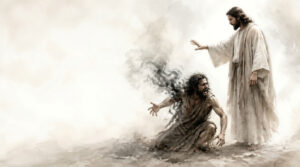
The better Book, after starting with light and hope and privilege, soon introduces the theme of rage. But a different rage. A rage sourced in holiness, and directed against wickedness, not mere dishonour; and controlled by perfect righteousness, not released in reckless, heartless, iron-on-iron and iron-in-flesh. “Strive! Holy Spirit, sing the powerful name of Jesus, Son of God / that crushes the head of Evil and mends wounds from the Fall / that draws countless ruined ones to heaven / making them children of light and companions of angels / thus the plan of God brilliantly comes to pass with glory and grace.”


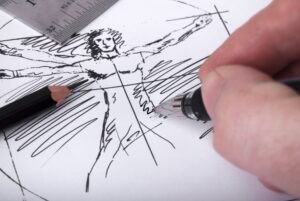
Vitruvian Man DM 4th September 2026 The Roman architect Vitruvius proposed that the human body could perfectly fit inside both a circle and a square,


The RSPCA DM 21st August 2026 The name William Wilbeforce is known by most people in the context of efforts in England to abolish slavery.