

I didn’t realise that Isaiah wrote so many of the Christmas Carols. In their original form, ‘Silent Night’ and ‘O Come, O Come Immanuel’, were penned this way: ‘The virgin will be with child and will give birth to a son, and will call him Immanuel.’ Isaiah even had a hand in the Hallelujah Chorus: ‘For to us a child is born, to us a son is given, and the government will be on his shoulders. And he will be called Wonderful Counsellor, Mighty God, Everlasting Father, Prince of Peace.’
What I only discovered this morning is that he also wrote the carol ‘O Christmas Tree’. To be honest, I hadn’t ever given that song too much attention over the years, because it seemed to merely extol the inspirational value of those branches that we cut and decorate each Christmas. But in Isaiah’s poetry, he references it this way in his 55th chapter: ‘Instead of the thornbush will grow the pine tree, and instead of briers the myrtle will grow. This will be for the Lord’s renown.’
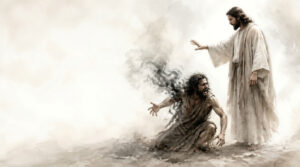
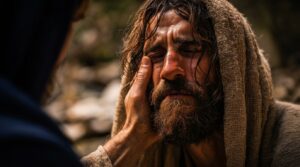
Isaiah here is describing the consequence of Messiah’s redemptive work, and painting a portrait of Messiah’s redeemed people. Each Christmas season should therefore bring hope for briery churches and prickly people. Transforming grace and regenerative power can flow like fresh sap into withered souls and wilting systems. And O that the church in the coming year might become that verdant pine of whom it is said: ‘How lovely are your branches’.


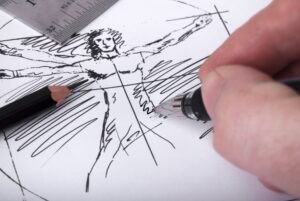
Vitruvian Man DM 4th September 2026 The Roman architect Vitruvius proposed that the human body could perfectly fit inside both a circle and a square,

The RSPCA DM 21st August 2026 The name William Wilbeforce is known by most people in the context of efforts in England to abolish slavery.